





Low Investment High Returns Tea Franchise Business Model Explained
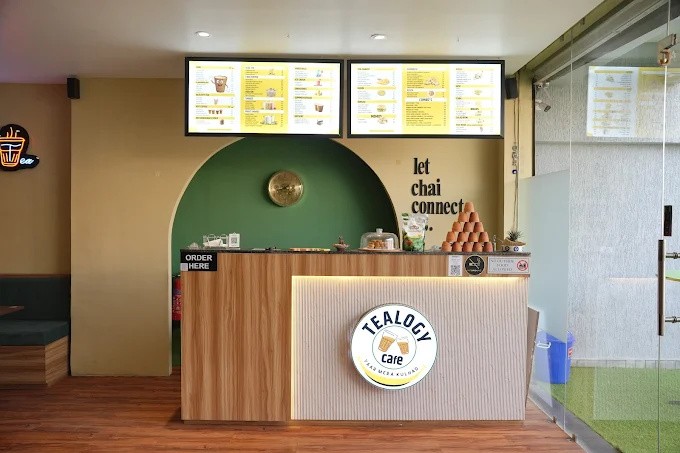
A tea business works best when it keeps things simple and repeatable. That’s exactly why a tea franchise model continues to attract new entrepreneurs across India. People drink tea every day, often multiple times, and that steady demand creates a business that doesn’t depend on trends or seasonal spikes.
The idea behind a low investment, high return tea franchise is not about cutting corners. It’s about building a setup that controls costs while keeping sales consistent. When both sides stay balanced, the business becomes easier to manage and more predictable in terms of income.
Simple Setup That Reduces Risk
A big reason many food businesses fail is overspending at the start. Large interiors, heavy equipment, and unnecessary menu items eat into profits before the business even stabilizes. A tea franchise avoids that trap by focusing on a compact and efficient setup.
You don’t need a massive space to sell tea. A well-located kiosk near a college, office area, or market can perform better than a large café with high rent. The goal is to serve more people quickly, not to impress them with size. Lower setup cost means you recover your investment faster, which reduces overall risk.
Focused Menu Drives Faster Sales
A tea franchise doesn’t try to do everything. It sticks to what works. A strong menu built around different tea options, a few snacks, and quick service keeps operations smooth. When customers know they’ll get their order fast, they return more often.
Think about a busy office area in the morning. People don’t want a long wait. They want a hot cup of tea within minutes. A focused menu helps you deliver that speed without confusion in the kitchen. This directly impacts daily sales and keeps the line moving.
Consistency Builds Daily Customers
The biggest strength of a tea franchise is consistency. Customers don’t want surprises when it comes to taste. If your tea tastes great today, it should taste the same tomorrow. That reliability builds trust, and trust brings repeat business.
A student who visits your outlet every evening for tea isn’t just a one-time sale. That’s a daily customer. Multiply that by dozens of people, and you start seeing how steady income builds over time. This kind of repeat traffic is what makes returns feel stable rather than uncertain.
Controlled Costs Improve Profit Margins
Tea as a product has an advantage. The raw materials are affordable, and the selling price leaves room for profit when managed correctly. Because the menu stays focused, wastage stays low. You’re not stocking too many items that might expire or go unused.
Staff requirements also stay minimal. A small team can handle operations without increasing salary expenses too much. When your daily costs stay under control, even moderate sales can generate healthy margins. That’s where the “high return” part of the model actually shows up.
Brand Support Makes Operations Easier
Running a business alone often means learning everything the hard way. A structured franchise changes that. Brands like Tealogy provide a system that already works, so you don’t waste time experimenting with recipes, pricing, or processes.
Training, supply support, and basic marketing guidance help you stay on track. Instead of guessing what might work, you follow a method that’s already been tested in real locations. This saves both time and money, especially in the early months.
Location and Volume Drive Growth
Profit in a tea franchise depends more on volume than high pricing. Selling more cups at a reasonable price works better than trying to increase margins on each cup. That’s why location plays a key role.
An outlet near a metro station, a coaching hub, or a corporate area can serve hundreds of customers in a day. Even small margins per cup add up when sales volume stays high. This is how a simple product turns into a strong daily income stream.
Scalability Without Complexity
Once one outlet runs smoothly, opening another becomes much easier. The process doesn’t change much. The same menu, setup, and workflow apply across locations. That makes scaling practical instead of overwhelming.
You’re not building a new business every time. You’re repeating a model that already works. Over time, multiple outlets can create a steady network of income without adding too much complexity to operations.
